 4BLOCKS
ㄱ at a glance
| Letter | ㄱ |
|---|---|
| Sound | soft g / k, as in 그 (geu) |
| Name | 기역 (giyeok) |
| Romanization | g before a vowel (가 = ga), k at the end of a syllable (먹 = meok) |
| Type | one of the 5 basic Korean consonants: ㄱ ㄴ ㅁ ㅅ ㅇ |
How to pronounce ㄱ, step by step
- Smile a little. Keep your lips flat and relaxed, not round.
- Lift the back of your tongue. Push it up until it touches the soft part of the roof of your mouth, far in the back.
- Let go gently and say 그 (geu). Only a tiny bit of air comes out.
The Korean ㄱ sits between the English g in “go” and the k in “sky”. At the very start of a word it often sounds closer to an unaspirated k, so 가방 can sound like “kabang” to English ears. Between two vowels, as in 고기 (gogi), it sounds like a clear g. Do not push out a big puff of air, because that turns it into a different letter, ㅋ.
Why ㄱ looks like that: a picture of your tongue
Hangul was created in the 15th century by King Sejong, and it was designed like a science diagram. The 1446 book Hunminjeongeum explains that the basic consonants are pictures of the parts of your mouth.
For ㄱ, look at the side view: your tongue goes back, then bends down toward the throat. That is the yellow ㄱ shape. Once you see it, you will never forget the letter.
The other basic consonants work the same way
- ㄴ: the tip of your tongue touching the gums behind your top teeth (sounds like n)
- ㅁ: the shape of your closed mouth (sounds like m)
- ㅅ: a tooth (sounds like s)
- ㅇ: your throat (silent at the start of a syllable)
Easy Korean words that start with ㄱ
Say the first sound 그 slowly, then the whole word.


ㄱ in Korean words you already know
You have probably seen ㄱ many times already. Look for it in these famous words:
| Korean | Sound | Meaning |
|---|---|---|
| 김치 | gimchi | kimchi, the spicy fermented cabbage |
| 김밥 | gimbap | seaweed rice rolls |
| 강남 | gangnam | the Seoul district from “Gangnam Style” |
| 감사합니다 | gamsahamnida | thank you (polite) |
Notice something? The world writes kimchi with a k, but Korea's official romanization writes gimchi with a g. Both are trying to spell the same soft ㄱ sound, which is exactly between English g and k. That is why you should learn ㄱ from the sound and the mouth shape, not from English spelling. Next time you see a Korean menu or a K-drama subtitle, try to spot every ㄱ and say 그 in your head.
The ㄱ chant
Clap and chant along with the teacher in the video. Repeat it three times and the sound will stick.
가방 가방 가! (bag)
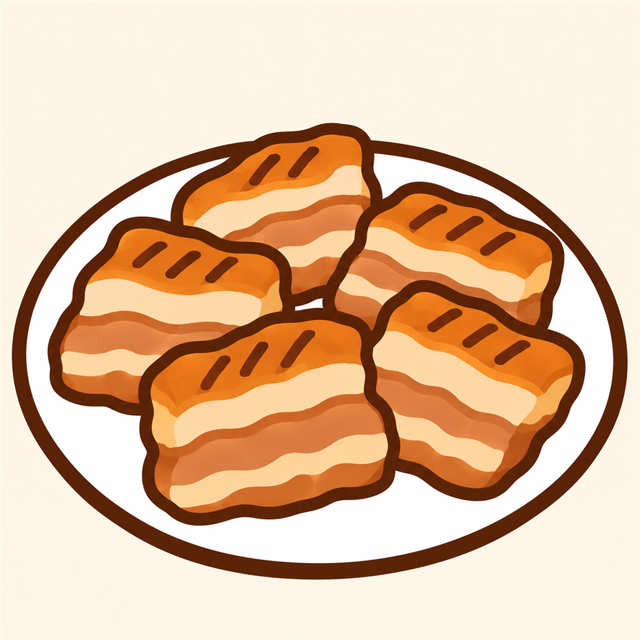
고기 고기 고! (meat)
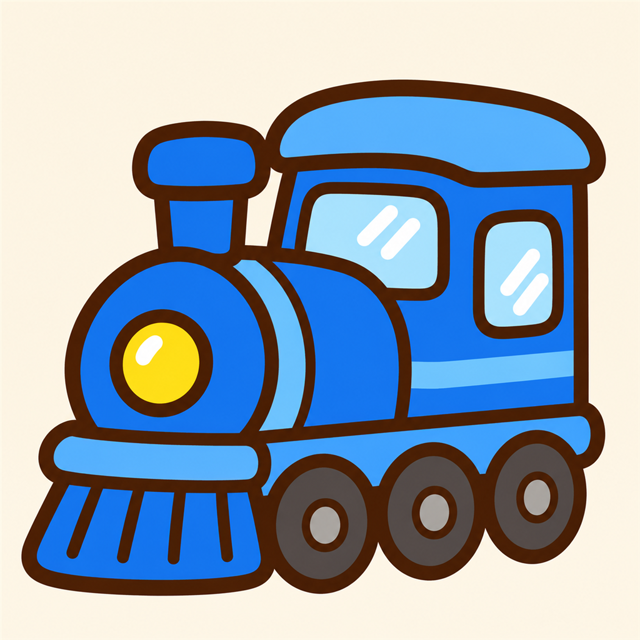
기차 기차 기! (train)
구두 구두 구! (shoes)
고양이가 고기를 먹어요! (The cat eats meat!)
Your first Korean sentence
고양이가고기를먹어요
고양이가 고기를 먹어요 means “The cat eats meat.” Can you find five ㄱ letters? Four are easy: 고, 가, 고, 기. The fifth is hiding at the bottom of 먹. When ㄱ sits at the bottom of a syllable it is a short, stopped k sound, so 먹 sounds like “meok”.
The colors are a preview of the 4BLOCKS method: every Korean sentence is built from blocks dropped into slots. Blue is who, green is what, and red is the action, which always comes last in Korean.
Quick quiz
Common mistakes with ㄱ
- Saying the name instead of the sound. Reading 가 as “giyeok-a” is a classic beginner trap. Read the sound: 그 + 아 = 가.
- Too much air. A strong English k turns ㄱ into ㅋ. Hold your hand in front of your mouth: you should feel almost nothing.
- Adding a vowel at the end. In 먹, do not say “meo-keu”. Stop your tongue at the back and keep it short.
Free printable ㄱ worksheet
Two pages: trace and write ㄱ, find every ㄱ, read the four words, the chant lyrics and a mini quiz with answers. Great for self-study and for teachers.
FAQ: the Korean letter ㄱ
How do you pronounce ㄱ in Korean?
Like a soft g or k. Say 그 (geu): the back of your tongue touches the soft roof of your mouth, then lets go with very little air.
Is ㄱ a g or a k?
Both. It is written g before a vowel (가 = ga) and k at the end of a syllable (먹 = meok). The real sound is between English g and k.
What is the name of ㄱ?
기역 (giyeok). You do not need the name to read, so start with the sound 그.
Why does ㄱ look like that?
It pictures the root of the tongue blocking the throat, as explained in the 1446 Hunminjeongeum.
What is the difference between ㄱ, ㅋ and ㄲ?
ㄱ is plain with little air, ㅋ has a strong puff of air, and ㄲ is tense with no air. We cover ㅋ and ㄲ in later lessons.